
A building manager overseeing a thirty-year-old condominium in Toa Payoh once got two wildly different quotes for the same ageing lift, one contractor pushing a full replacement, another confident that upgrading key components would solve everything for a fraction of the cost. Neither was lying exactly, they were just solving two different problems without saying so. Understanding whether your situation calls for lift modernization or something more drastic genuinely comes down to the lift’s age, condition, and what’s specifically failing, not just how old the unit happens to look on a maintenance log.
What Modernization Actually Involves
Modernization means upgrading specific components within an existing lift system rather than tearing the whole thing out and starting fresh. Control systems, door mechanisms, cabin interiors, or safety features get replaced or upgraded while the core structure and shaft remain untouched, sitting there doing what they’ve always done.
This approach works well when the fundamental mechanical system is sound but individual components have simply aged past their useful life, one by one, quietly.
- Control panels and wiring often need upgrading well before mechanical parts actually fail
- Door sensors and safety mechanisms benefit from newer technology without demanding a full overhaul
- Cabin aesthetics and accessibility features can be modernised independently of any structural work at all
When Full Replacement Becomes Necessary
Sometimes the underlying mechanical system itself has degraded to a point where upgrading individual parts just delays a more expensive, inevitable problem waiting further down the road.
Replacement tends to make more sense when:
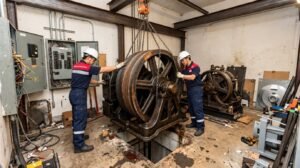
- The lift’s core mechanical structure shows significant wear beyond what component upgrades can realistically address
- Frequent breakdowns keep happening despite repeated repairs and partial upgrades already attempted
- Current safety codes have shifted enough that the existing structure simply can’t be brought into compliance through upgrades alone
- Spare parts for the existing system have become genuinely difficult or costly to source
A lift demanding constant, expensive intervention just to keep limping along often signals that replacement, however disruptive at first, saves considerably more over the following years.
Comparing Cost and Disruption Between the Two Options
Neither path is universally cheaper, and the right choice depends heavily on the specific building’s situation rather than some blanket rule applied everywhere.
- Modernization typically costs less upfront and involves shorter downtime while the work’s actually happening
- Replacement requires a larger initial investment but resets the system’s expected lifespan considerably further out
- Downtime during replacement tends to run longer, something worth planning around carefully for buildings with limited lift access to begin with
Buildings running with only one working lift often lean toward modernization specifically to minimise disruption, even when replacement might otherwise make more sense over the long run.
Understanding Where Lift Repair Fits Into This Decision
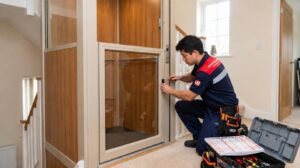
Regular lift repair addresses immediate faults, a stuck door, a malfunctioning sensor, without necessarily meaning the whole system needs modernization or replacement.
- Occasional repairs on an otherwise well-maintained lift are entirely normal and don’t signal anything bigger
- Repeated repairs on the same component within a short stretch of time often point toward a deeper issue worth escalating
- Tracking repair frequency over months helps clarify whether modernization or replacement genuinely deserves consideration
Treating every repair call as a sign of impending doom creates unnecessary anxiety for building owners. The pattern over time matters far more than any single incident on its own.
How Age Alone Doesn’t Tell the Whole Story
A lift’s age matters, sure, but two units of identical age can sit in entirely different conditions depending on maintenance history and how heavily they’ve been used.
- Heavily used lifts in commercial buildings age quite differently than lightly used residential units tucked away somewhere quiet
- Consistent maintenance history stretches usable lifespan considerably compared to systems left neglected
- A thorough inspection reveals more about actual condition than the installation date ever could, no matter how old that date looks
Assuming a lift needs replacing simply because it’s crossed some arbitrary age threshold overlooks how much maintenance quality genuinely affects real-world performance over time.
Making the Right Call for Your Building
Getting a proper assessment before committing to either path prevents both unnecessary expense and the risk of underinvesting in a system that’s genuinely reached the end of its road. A qualified technician examining the actual mechanical condition, not just the age scribbled on a maintenance log somewhere, gives building owners the clearest picture of which direction genuinely makes sense for them.
At Union Jack Elevator, we help Singapore building owners work through this decision with an honest, thorough assessment, making sure whatever path gets chosen genuinely matches the lift’s actual condition rather than assumptions built purely on age.
Frequently Asked Questions
How do I know if my lift needs modernization rather than full replacement?
If the core mechanical structure remains sound but individual components like control panels or door sensors have simply aged, modernization often addresses the issue effectively.
What signs suggest a lift genuinely needs replacement instead of upgrades?
Persistent breakdowns despite repairs, difficulty sourcing spare parts, and significant structural wear all point toward replacement being the more sensible long-term option.
Does frequent lift repair mean the system needs modernization soon?
Not necessarily. Occasional repairs are normal, but repeated issues with the same component over a short period often warrant a deeper assessment.
Is lift age the main factor in deciding between modernization and replacement?
No. Maintenance history and usage intensity affect actual condition considerably more than age alone, making a proper inspection essential before deciding.