
A young couple who’d just bought their first landed property in Sengkang called us with a question we hear more often than people probably expect, “Do we actually need a lift, or is this just something we’re adding because it looked nice in the renderings?” Fair question, honestly, and not one people ask enough before signing off on a design. Understanding house elevators lifts before committing to one, rather than after the fact simply because it caught the eye during a showflat visit, saves considerable money and regret further down the line.
Why First-Time Homeowners Consider Adding a Lift
Multi-storey landed homes are pretty common across Singapore, narrow terraces stacked three, four storeys high, and a lift isn’t purely some luxury reserved for the elderly or those facing mobility challenges. Plenty of homeowners install one simply for convenience, hauling groceries between floors, managing a home office tucked away upstairs, or planning ahead for ageing in place years down the road, whether that’s for ageing parents or, eventually, themselves.
Common reasons people first start considering it:
- Anticipating future mobility needs for ageing parents or themselves
- Everyday convenience for a home spanning three or four storeys
- Increasing property value and appeal for eventual resale down the track
None of these reasons need to feel dramatic or urgent, and that’s worth saying plainly. Sometimes it’s simply about making a tall, narrow home a bit easier to live in day to day. Nothing more complicated than that, really.
Understanding the Basic Types Available
Walking into this decision without knowing the basic categories often leads to genuine confusion once quotes start arriving loaded with unfamiliar terminology, cylinder pressure this, traction ratio that.
- Hydraulic systems, using fluid pressure to move the cabin, generally quieter and smoother in operation
- Traction systems, using cables and counterweights, often faster but demanding more shaft space
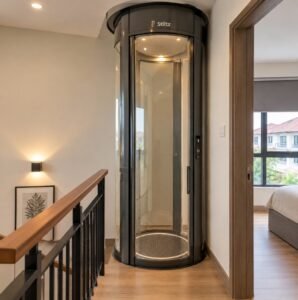
- Pneumatic vacuum lifts, a newer option requiring minimal structural work, though somewhat limited in capacity
Each type suits different home layouts and budgets, and knowing which category a quote actually falls under helps comparisons make sense, rather than leaving you comparing apples to something entirely different.
What a House Elevator Actually Requires Structurally
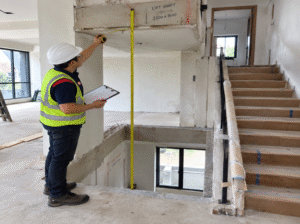
Before falling for a particular design online, it helps to understand what installing a house elevator actually demands from the existing structure underneath the pretty finishes.
- Adequate floor-to-floor space to accommodate the cabin and mechanism properly
- Structural assessment confirming the building can genuinely support the additional weight involved
- Electrical capacity sufficient for whatever the system’s power requirements turn out to be
Retrofitting into an already-built home sometimes requires more structural work than including one during the original design phase from day one, something worth raising early with your architect if you’re still sketching things out.
Budgeting Realistically for a Home Elevator
Costs vary considerably depending on system type, capacity, and how much structural modification the installation actually ends up requiring.
Worth factoring into any budget from the very start:
- Installation cost itself, which shifts quite a bit between pneumatic, hydraulic, and traction systems
- Ongoing maintenance, since regular servicing keeps things running safely across years, not just the first year
- Potential structural modifications if retrofitting into an existing home rather than a new build
First-time buyers sometimes fixate purely on the upfront installation quote, quietly overlooking maintenance costs that build up steadily over the following decade or so.
Choosing the Right Home Elevator Singapore Option for Your Space
Singapore’s landed properties often come with specific spatial constraints, narrow floor plates, tight stairwells, and these shape which systems are genuinely practical here, rather than just theoretically possible somewhere else with more room to work with.
A suitable home elevator Singapore solution typically considers:
- Available floor space and ceiling height across each level of the home
- Whether the home is newly built or an existing structure being retrofitted around
- Household size and expected frequency of use, since this affects capacity requirements quite a lot
Consulting with an installer early in the planning process, rather than after finalising every other design decision, tends to prevent costly surprises once actual installation gets underway.
Common Mistakes First-Time Buyers Make
A few recurring missteps show up often enough among first-time buyers going through this particular decision.
- Choosing based purely on aesthetics without confirming structural compatibility first
- Underestimating ongoing maintenance costs when comparing initial quotes side by side
- Failing to plan for future mobility needs, leading to costly modifications later on down the line
Avoiding these mostly comes down to asking the right questions early on, rather than assuming every quote quietly covers the exact same scope of work underneath.
Getting Started With Confidence
Choosing a lift for homes doesn’t need to feel overwhelming once the basic categories, structural requirements, and realistic costs are properly understood, rather than guessed at. A thoughtful consultation early in your home’s planning or renovation process clarifies which system genuinely fits your space and household’s actual, everyday needs.
At Union Jack Elevator, we guide first-time Singapore homeowners through exactly this process, making sure whatever lift gets chosen fits both the home’s structure and the family’s genuine daily needs, not just what looked good in a catalogue.
Frequently Asked Questions
Do I need a house elevator if I’m not elderly or facing mobility challenges?
Not necessarily, but many homeowners install one for convenience or future-proofing, particularly in multi-storey homes where daily movement between floors adds up.
What’s the difference between hydraulic and pneumatic systems for a home elevator?
Hydraulic systems use fluid pressure and generally offer smoother, quieter operation, while pneumatic systems require less structural modification but have limited capacity.
How much structural work does installing a home elevator Singapore option typically require?
This depends on whether you’re retrofitting an existing home or including it in new construction, with retrofits generally needing more structural assessment and modification.
What should I budget for beyond the initial installation of a lift for homes?
Factor in ongoing maintenance costs, potential structural modifications if retrofitting, and consider future capacity needs to avoid costly upgrades later.