
A homeowner in a landed property near Bukit Timah once called us genuinely torn between two quotes, one for a compact platform system, another for a traditional traction lift, both claiming to solve the exact same mobility problem for her ageing parents. The pricing difference alone had her hesitating for weeks. Choosing between a vertical platform lift and a traditional traction lift genuinely comes down to your property’s layout, budget, and what the lift actually needs to handle day to day, not just which option sounds more impressive on a brochure.
Understanding What Each System Actually Does
Both systems move people between floors, obviously, but the mechanics behind them differ considerably, and that difference shapes cost, installation complexity, and how well each suits a specific property type.
How a Vertical Platform Lift Works
This system uses a hydraulic or screw-driven mechanism to move an open or enclosed platform vertically along a fixed track. Installation typically requires far less structural modification than traditional lift shafts, which matters enormously for older homes never built with a lift in mind.
- Compact footprint, often fitting into existing stairwells or narrow, awkward spaces
- Slower travel speed compared to traction systems, though usually plenty for residential use
- Lower installation cost, since the structural requirements stay considerably simpler
How a Traction Lift Works
Traction lifts use cables, counterweights, and an electric motor to move the cab through a dedicated shaft. This is the mechanism most people picture when they think of a standard lift in commercial buildings or larger, purpose-built residences.
- Faster, smoother travel, particularly noticeable once you’re talking about taller installations
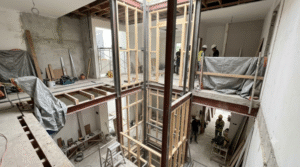
- Requires a proper lift shaft, meaning more substantial construction work
- Generally higher upfront cost, though often justified by capacity and speed in larger homes
Comparing Installation Requirements
Property layout genuinely determines which system makes practical sense before cost even enters the conversation properly.
- Systems suited to limited space avoid the need for a dedicated shaft entirely
- Traction lifts need that shaft space, making them better suited to new builds or major renovations
- Retrofitting a full shaft into an existing home often means considerably more construction disruption than a compact platform install
Properties without room for a full shaft, fairly common across many Singapore landed homes, often find the compact option the more practical route without tearing the house apart to fit it in.
Weighing Cost Against Long-Term Value
Upfront pricing tells only part of the story, and long-term value really depends on usage frequency, maintenance needs, and how well the system matches actual daily habits at home.
- Compact systems typically cost less upfront, suiting occasional use or lower-traffic households well
- Traction lifts cost more initially but handle frequent, heavy daily use with less wear building up over time
- Maintenance costs vary between the two, worth clarifying directly with your installer rather than assuming they’re roughly equal
For households riding the lift multiple times a day, the traction system’s durability sometimes offsets that higher initial cost across several years of use.
Choosing Based on Who Will Actually Use It
Understanding the specific user’s needs clarifies which system genuinely fits better than comparing spec sheets side by side ever will.
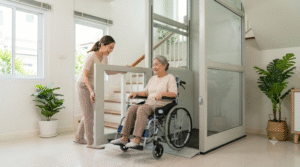
- Elderly residents with mobility aids may need the easier boarding access certain platform designs offer
- Wheelchair users benefit from either system, though platform lifts sometimes offer simpler wheelchair access by design
- Households prioritising speed across multiple daily trips often lean toward traction systems instead
What Singapore Properties Typically Need
Local housing types shape which system tends to suit specific situations more naturally, and it’s rarely a one-size-fits-all answer across the island.
For a platform lift Singapore homeowners in landed properties often gravitate toward, the appeal usually comes down to space efficiency and far less installation disruption. Larger properties or new builds, on the other hand, sometimes lean toward traction systems instead, particularly where speed and capacity genuinely matter for daily household movement between floors.
Making the Decision That Fits Your Property
Neither system is universally better, and the right choice depends entirely on your specific space, budget, and how the lift will actually be used day to day. Compact platform systems suit tighter spaces and lower-traffic needs well. Traction lifts suit properties with room for a proper shaft, and households needing faster, more frequent movement between floors.
At Union Jack Elevator, we help Singapore homeowners work through these considerations directly, making sure the system installed genuinely matches both the property and the people relying on it every single day.
Frequently Asked Questions
Is a vertical platform lift suitable for a landed home with limited space?
Yes. These systems typically require less structural modification, making them well suited to properties without room for a dedicated lift shaft.
How does a traction lift compare in speed to a platform system?
Traction lifts generally offer faster, smoother travel, particularly beneficial for taller installations or households using the lift frequently throughout the day.
What factors should I consider when choosing between these options for my property?
Consider your home’s structural layout, budget, daily usage frequency, and the specific mobility needs of whoever will primarily use the lift.
Which system generally costs less among common platform lifts available here?
Compact vertical systems typically involve lower installation costs due to simpler structural requirements compared to traditional traction lift installations.